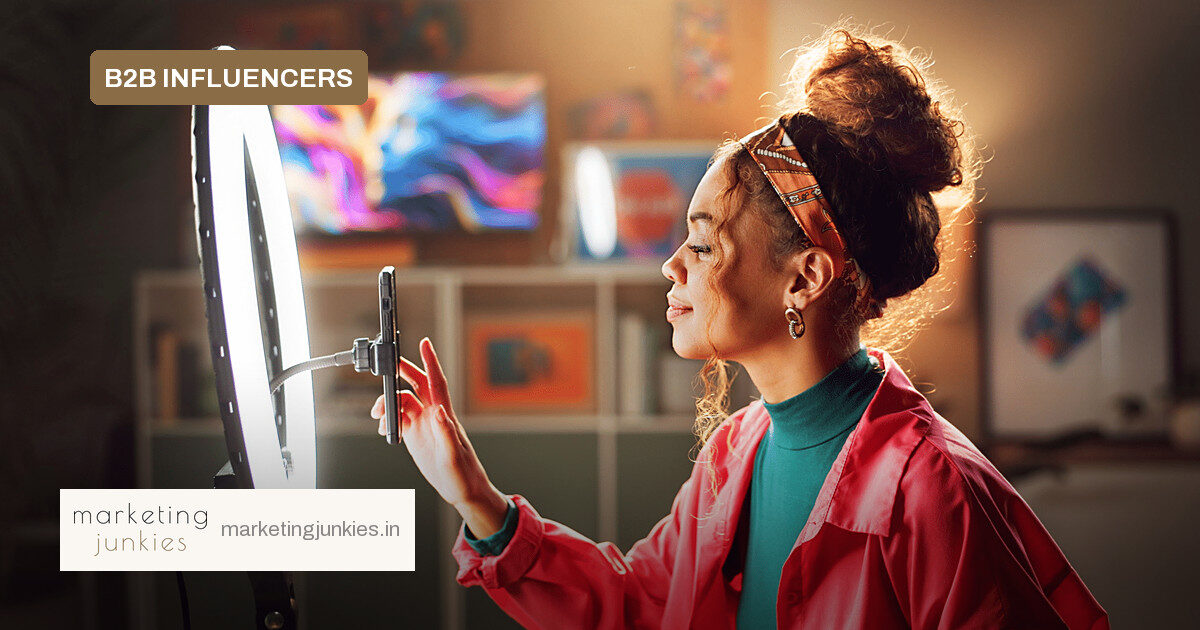
Paid B2B creators are no longer a side story in food or fashion. Supply chain and logistics professionals are building real media businesses, and brands are paying them to reach buyers through voices those buyers already trust.
New research from Ascend2 and Top Rank Marketing puts a number on the shift: 83% of B2B marketers are actively pursuing influencer programs. That is far more than a pilot.
From industry experts to paid creators
Sarah Barnes-Humphrey runs Let’s Talk Supply Chain and uses podcasts, live shows and blogging to promote the supply chain industry. Evan Kirstel, with 68,000 followers, a TV show and podcasts, calls himself a TechInfluencer.
Patrick Zielinski runs The Drive Agency, a B2B talent management firm. He says more companies recognise employees as valuable spokespeople and some now include influencing in job descriptions. In some cases, employees earn more from advertising, speaking and related work than from their salaries.
How B2B creators earn
- Brand partnerships
- Books and newsletters
- Online courses, including LinkedIn Learning
- Physical or digital products
- Public speaking
Agents typically take commission of 10% to 20%.
What the research says
According to Ascend2 and Top Rank Marketing, 43% of the most effective B2B influencer programs partner with entertaining creators, nearly double the rate for traditional analyst and executive influencer types. Creators are the most likely group to be paid on performance, at 51%.
Always-on programs are nearly twice as desirable to marketers at 42% as one-off campaigns at 24%. Marketers value trust and credibility most, followed by relevance, subject matter expertise and domain authority.
A workable creator playbook
Zielinski says aspiring B2B creators should think like a business, not a hobbyist. “Every creator is a business,” he said. That means posting consistently, choosing one comfortable platform such as LinkedIn as a launchpad, and diversifying to one or two others with video.
Megan Lieu, a data scientist and Drive client, built her audience by sharing career journey stories on LinkedIn and expanded to Instagram and YouTube. Brand deals became her biggest revenue source, including a campaign with her newsletter platform Kit. Her advice: learn to hire and manage contractors if you want to scale beyond brand deals.
What to do about it
For brand-side marketers, the research suggests moving from one-off placements toward always-on creator relationships, and evaluating creators on trust, relevance and business potential, not follower count alone. For professionals, the early signal is simple: if brands are already approaching you, you may have creator leverage worth developing.
Source: MarTech